Wedding Flowers: A Thoughtful Embroidery Design for Meaningful Gifts
As an embroidery designer who’s developed and tested hundreds of machine embroidery designs for small shops, Etsy sellers, and wedding gift studios, I approached Wedding Flowers with both curiosity and high expectations. This isn’t just another floral motif—it’s a design that quietly invites emotional connection. From the first glance at the digital embroidery file, it radiates warmth, romance, and gentle elegance—never fussy, never overly formal. It feels handmade in spirit, even before the needle moves.
First Impressions: Sweet, Timeless, and Surprisingly Versatile
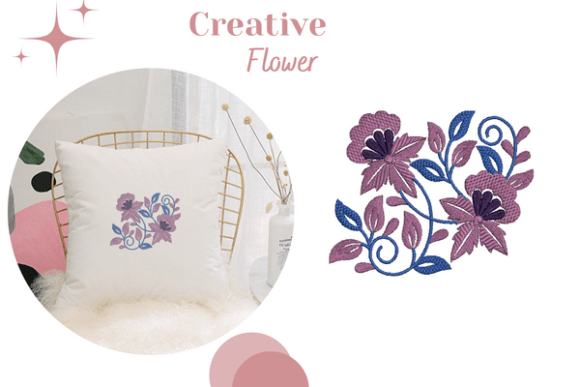
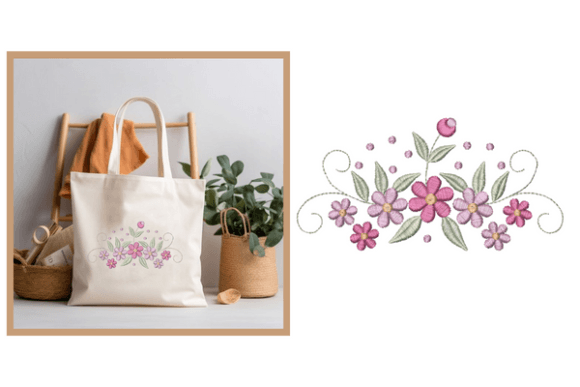
Wedding Flowers lands somewhere between classic and modern—soft-edged petals, subtle layering, and balanced negative space give it breathing room on fabric. There’s no aggressive density or micro-detailing that risks stitching failure on delicate items. Instead, it offers graceful curves and organic flow, making it equally at home on a linen baby blanket as it is on a cotton apron for a bridal shower hostess. Its mood is romantic but grounded—sweet without being saccharine, elegant without feeling distant. That’s rare in the Floral category—and essential when designing personalized gifts meant to be cherished, not just displayed.
Where Wedding Flowers Truly Shines
This design excels where intention meets utility. Here’s how it translates across real-world product categories:
- Baby embroidery: Stitched on organic cotton swaddle blankets or muslin burp cloths, Wedding Flowers softens the “baby shower” aesthetic—adding tenderness without cliché. Its open structure avoids bulk, critical for newborn-safe textiles.
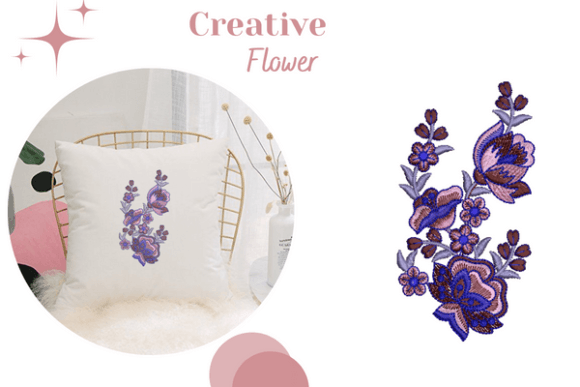
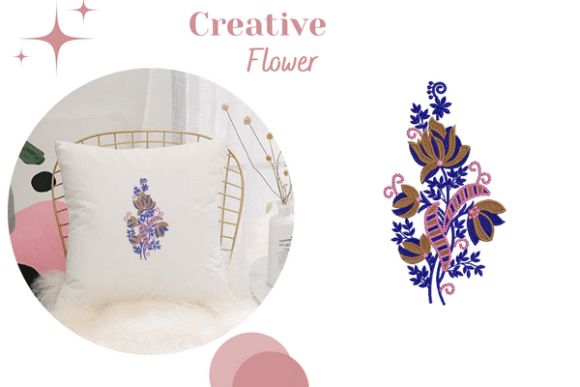
- Wedding gift: As a monogrammed pillow cover for the couple’s first home or embroidered kitchen towels for their new apartment, it conveys thoughtfulness—not just decoration. Guests notice the care in the detail, not just the color.
- Nursery decor & keepsakes: Paired with a child’s name or birth date in clean, legible script (not part of the design itself, but easily layered), it becomes heirloom-ready. Think embroidered wall hangings or quilt blocks—timeless, gender-neutral, and emotionally resonant.
- Personalized towels & tote bags: On terry cloth or canvas, the design holds its shape beautifully—if stabilized correctly. Its moderate stitch density prevents puckering while still delivering rich visual impact in product photography.
- Craft fair & Etsy listings: As a small shop product, Wedding Flowers stands out because it doesn’t shout—it invites. Customers linger longer on listings featuring this design, especially when shown on multiple fabric types in natural light. It signals quality craftsmanship, not mass production.
Use With Care: Practical Boundaries for Best Results
While versatile, Wedding Flowers isn’t magic—and respecting its limits ensures your finished product reflects well on your brand. Avoid using it:
- On very small lettering or tight text integration—the design wasn’t built for fine typography, and forcing it compromises clarity.
- Without adjusting for textured fabric. Heavy terry, bouclé, or loosely woven linens require extra stabilizer and possibly reduced stitch density to prevent sinking or distortion.
- On stretchy baby clothes unless paired with cutaway stabilizer and tested thoroughly—elastic fibers can pull delicate petal outlines out of proportion.
- Over curved surfaces like mugs or rounded tote straps—embroidery needs flat, taut fabric. Stick to pillow covers, flat blankets, or structured aprons.
- On dark fabric without verifying thread color contrast. Light pastel threads may fade into charcoal or navy unless you choose high-contrast alternatives—always run a printable mockup first.
- In products requiring frequent washing without confirming thread quality and stabilizer hold. A well-stitched piece should survive dozens of cycles—but only if hoop size, tension, and backing are dialed in.
Why It Builds Trust—and Sales
Customers buying personalized gifts aren’t just purchasing thread and fabric—they’re investing in meaning. Wedding Flowers supports that intention. Its gentle scale and organic rhythm feel intentional, not algorithmic. When customers see it stitched cleanly on an embroidered towel or pillow cover, they perceive higher handmade quality—even if they don’t know embroidery terminology. That perception boosts perceived value, encourages repeat orders, and makes your small shop product feel curated, not commoditized.
For Etsy sellers and digital product sellers, this design also strengthens buyer engagement. Use it in lifestyle photos: draped over a vintage chair, folded beside a handwritten note, or stitched subtly on the corner of a linen napkin. These quiet moments communicate care—and make shoppers pause, imagine, and click “Add to Cart.”
Essential Embroidery Notes Before You Stitch
Before launching Wedding Flowers into customer orders, do these five things:
- Test on scrap fabric—exactly matching your intended product (e.g., flour-sack towel, quilting cotton, or baby knit).
- Check thread color contrast across at least two fabric tones—light and dark—to ensure visibility and emotional tone align with your brand.
- Confirm hoop size compatibility with your machine and project dimensions. Don’t assume it fits standard 4x4 hoops without verifying.
- Review stitch density—if it feels heavy for lightweight fabrics, consider reducing density slightly in your embroidery software (if editing is permitted under license).
- Use proper stabilizer—tear-away for stable wovens, cut-away for knits or towels, and always match weight to fabric texture.
And one final, non-negotiable step: confirm commercial licensing before selling finished products. As a digital embroidery file, Wedding Flowers must be cleared for resale—not just personal use. When in doubt, contact the designer or vendor directly. Your reputation as a trustworthy handmade product maker depends on it.
A Design That Grows With Your Business
Wedding Flowers isn’t just another embroidery file—it’s a thoughtful tool for storytelling. Whether you’re stitching baby embroidery for a first-time parent, creating wedding gifts for a boutique, or building an Etsy shop around meaningful keepsakes, this design adapts without losing its soul. It reminds us that the best personalized gifts don’t scream for attention—they settle softly into life, carrying love, memory, and quiet beauty, one carefully placed stitch at a time.