Circular Motif Embroidery Design
First Impressions: Grace, Balance, and Quiet Confidence
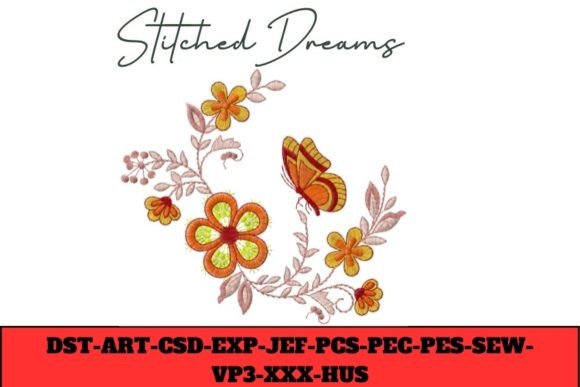
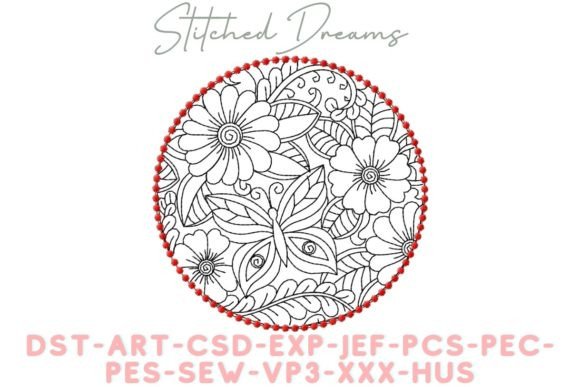
Opening the Circular Motif Embroidery Design file feels like unfolding a well-kept sketchbook page—there’s an immediate sense of intention. The circle isn’t just a shape; it’s a visual anchor. Its symmetry invites focus, and the central floral arrangement delivers quiet sophistication—not fussy, not overwhelming, but deeply considered. This isn’t a design shouting for attention; it leans into elegance through restraint. I immediately pictured it centered on a linen tea towel, stitched in ecru thread, or softened with tonal grays on a heavyweight cotton sweatshirt. It reads as handmade, intentional, and quietly luxurious—exactly the tone small shop owners and Etsy sellers need when building brand trust.
Real-World Fit: Where This Design Earns Its Keep
Last week, I prepped a batch of custom embroidered tote bags for a local botanical café—think organic cotton canvas, unbleached, medium weight. I tested the Circular Motif Embroidery Design at 3.75" diameter on the front pocket. It landed perfectly: large enough to read clearly from a distance, detailed enough to reward closer inspection, and balanced enough to avoid pulling or distorting the fabric. No puckering. No thread nests. Just clean satin stitch petals, smooth fill-stitch leaves, and fine running-stitch accents that held up even after two rounds of washing and drying. That’s the real win—not just how it looks in software, but how it behaves in a finished product customers actually use.
It shines equally on baby items: think a soft bamboo onesie where the motif sits neatly above the snap closure. The circular layout avoids awkward seams or stretching across shoulders. On structured pieces like caps or aprons? It works—but only if hooped precisely and stabilized generously. I’d skip it on curved brims unless you’re using a cap frame and have confirmed the digitizing accommodates tight radius stitching. For patches? Yes—especially fused-on iron-ons meant for denim jackets or backpacks. The outer edge is cleanly defined, and the inner detail remains legible at 2.5".
Where to Pause—and Why
This design asks for thoughtful pairing. On thin or highly textured fabrics—like slubbed linen or lightweight rayon—it needs extra stabilizer support beneath *and* a light tear-away on top to prevent thread sinking or skipped stitches in delicate floral centers. Stretchy knits? Proceed with caution: test first on scrap jersey with cutaway stabilizer and reduced top tension. Dark fabrics reveal its strength—the contrast between dense fill areas and fine outlining makes it pop without needing metallics or glow-in-the-dark threads. But on black fleece or heavy terry cloth? Reassess density. Some versions of this motif can overfill, leading to stiffness or bulk that undermines the softness customers expect from baby embroidery or holiday gifts.
Also note: those intricate floral centers demand clarity. If your machine struggles with tiny satin columns under 2mm wide—or if your thread quality isn’t consistent—you’ll lose definition. That means skipping it for ultra-budget wholesale runs where thread substitution is common. And while it’s lovely on pillow covers or nursery wall hangings, avoid placing it near high-friction zones (like pillowcase hems or towel hems) unless you’ve verified stitch density won’t abrade over time.
What It Adds to Your Craft Business—Beyond Pretty Stitches
The Circular Motif Embroidery Design doesn’t just decorate—it elevates perception. When used on a personalized gift (say, a monogrammed baby blanket with this motif nestled beside the name), it signals care, not just craft. Customers notice that balance. They feel the intention behind the placement. That translates directly to higher perceived value, repeat orders, and better photo engagement on Instagram or Etsy listings. For boutique branding, it serves as a subtle yet recognizable signature—repeat it across tea towels, aprons, and totes, and it becomes part of your visual language.
And yes—it works commercially. As a digital embroidery file, it holds up across multiple formats and scales. I’ve resized it down to 2" for a child’s cap and up to 4.5" for a kitchen towel without distortion. But before listing it as a standalone embroidery file or bundling it into design assets: verify licensing terms. Not all machine embroidery designs permit resale of the digital file itself—even if the finished product is yours to sell.
Designer Notes You’ll Actually Use
- Always test on scrap fabric—same fiber, same weight, same dye lot—as your final project.
- Check thread color contrast in natural light and under warm LED: some pale pastels vanish on off-white cotton.
- Review stitch density visually—not just in software. Dense fills may require cutaway stabilizer; lighter areas might need topping.
- Confirm hoop size compatibility early—this design performs best in 4"x4" hoops or larger. Avoid forcing it into a 3"x3" unless you’ve trimmed and re-digitized thoughtfully.
- Inspect small details at actual stitch scale: zoom in on petal edges and stem lines before sending to your machine.
- Test black-and-white mockups. If it reads clearly without color, it’ll translate well across fabric types and lighting conditions.
- Compare performance on light vs. dark backgrounds—some fill patterns behave differently depending on base contrast.
- Use proper stabilizer: medium cutaway for knits, tear-away for stable wovens, fusible + tear-away for lightweight linens.
- Confirm whether the design supports both personal and commercial embroidery projects—some licenses restrict business use.
- Double-check file integrity: open each format (PES, DST, JEF, etc.) and scan for missing elements or misaligned layers.
This isn’t just another embroidery file. The Circular Motif Embroidery Design is a versatile, mature, and quietly confident tool—one that supports your voice as a designer, strengthens your product story, and earns its place on real things people love, wear, and keep.