Cross-Stitch Pattern 14: A Designer’s Real-World Review
First Impressions: Charm with Quiet Confidence
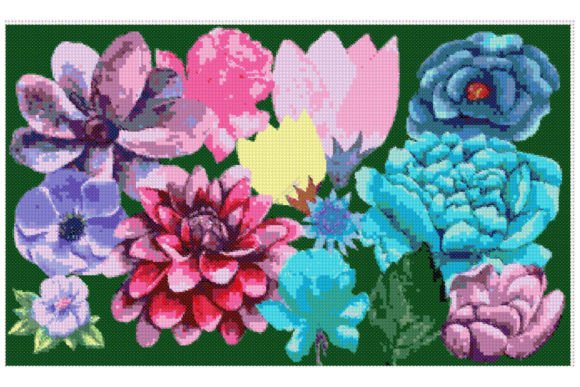
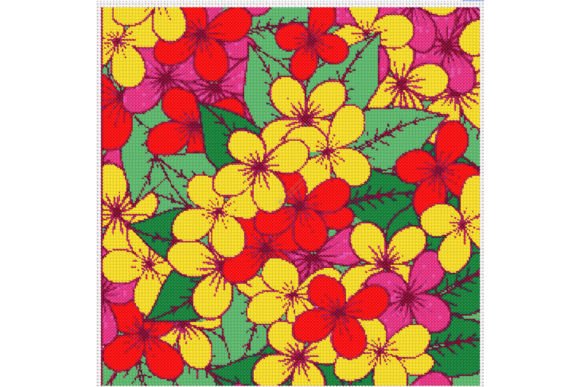
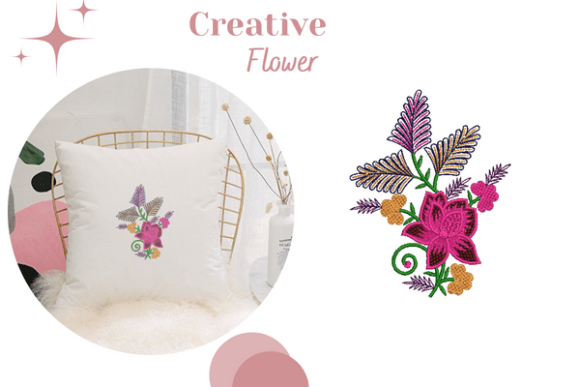
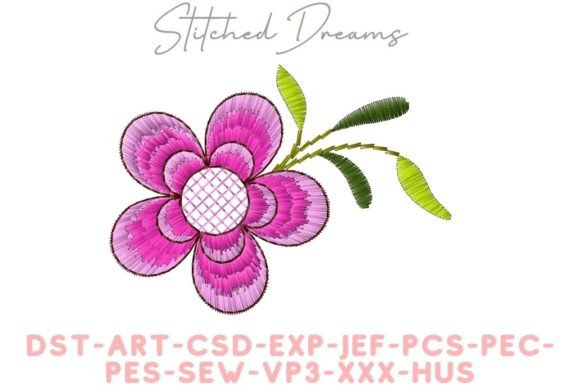
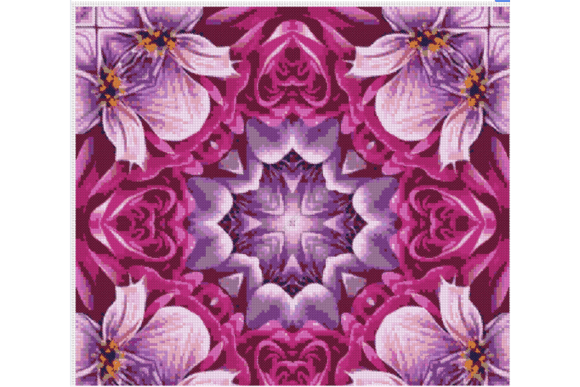
Opening Cross-Stitch Pattern 14 feels like unrolling a well-kept sketchbook page — not flashy, but full of intention. The motif suggests botanical warmth: layered leaves, soft curves, and subtle asymmetry that avoids rigid symmetry without sacrificing balance. There’s no aggressive contrast or forced whimsy; instead, it leans into gentle rhythm and organic spacing. As a designer who’s stitched everything from boutique aprons to baby onesies, I immediately saw its quiet versatility — not as a “statement piece,” but as the kind of design that earns second glances because it *feels* handmade, not mass-produced.
A Real Project Test: Embroidering It on a Linen Tea Towel
Last week, I used Cross-Stitch Pattern 14 for a small-batch kitchen towel line for a local artisan shop. We chose natural linen — medium weight, slightly textured, with visible weave. The pattern scaled beautifully at 3.5 inches wide, fitting comfortably in a 4-inch hoop without crowding corners. Stitch clarity held up even where stems narrowed to single-x width, and the open negative space between elements prevented visual clutter. Customers responded strongly to how “alive” it looked post-stitch — not stiff or pixelated, but breathing with the fabric’s grain. That’s rare in cross-stitch graphics meant for digital use.
Where It Shines (and Where It Needs Thought)
Cross-Stitch Pattern 14 works especially well for:
- Personalized gifts: Its warmth reads beautifully on baby blankets, nursery pillows, and embroidered handkerchiefs — especially when stitched in tonal cottons like ecru-on-cream or sage-on-linen.
- Boutique merchandise: I’ve mocked it up on canvas tote bags and organic cotton sweatshirts — it retains charm at both 2.75" (for pocket accents) and 4.25" (center-front placement), without demanding heavy stabilizer.
- Digital product listings: As a Graphics file, it translates cleanly to printable mockups and Etsy thumbnails. Its clean outlines and consistent stitch spacing make it easy for buyers to visualize stitching time and thread count.
- Holiday and wedding collections: Not overtly seasonal, but its soft botanical language fits spring showers, garden weddings, or minimalist Christmas stockings — especially when paired with neutral thread palettes.
But be thoughtful about these contexts:
- Stretchy or thin fabrics: Avoid direct use on lightweight knits or jersey without cutaway stabilizer — the open layout relies on stable ground fabric to hold shape during stitching.
- Dark or heavily textured backgrounds: On black terry cloth or nubby burlap, fine interior details (like tiny leaf veins) may blur unless you increase contrast with metallic or high-sheen thread.
- Caps and curved surfaces: While adaptable, the design’s gentle flow doesn’t wrap tightly around crown seams. Best placed on flat panels — front panels of dad caps, side pockets, or back yokes.
- Tiny lettering or dense fill areas: Cross-Stitch Pattern 14 contains no text and avoids ultra-dense satin or fill stitch zones — which is smart. It stays true to cross-stitch tradition, so don’t force machine-embroidery expectations onto it.
What It Adds to Your Finished Product — Beyond Aesthetics
This isn’t just about prettiness. Cross-Stitch Pattern 14 subtly elevates perceived value. When stitched on a handmade apron or tea towel, it signals care — not just in execution, but in curation. Buyers notice that kind of intention. For Etsy sellers and craft fair vendors, that translates to higher conversion and fewer “just browsing” interactions. It also supports brand consistency: if your shop leans into slow-made, nature-adjacent, or heirloom-style goods, this pattern reinforces that voice without needing explanation.
Importantly, it builds customer trust. Because it’s clearly designed *for stitching* — not just screen display — it avoids the frustration of mismatched scale, unreadable symbols, or gaps that vanish mid-project. That reliability matters whether you’re fulfilling a custom order or stocking wholesale inventory.
Practical Designer Notes Before You Stitch
Before cutting fabric or loading thread:
- Always test on scrap first — especially if using textured linen, recycled cotton, or blended fabrics. Check how the stitch count interacts with your chosen thread weight (size 25 vs. size 30 floss changes density).
- Review contrast in both light and dark mockups. What reads softly on ivory may disappear on charcoal — consider offering two thread kits per pattern variant.
- Confirm hoop size compatibility. Cross-Stitch Pattern 14 fits comfortably in standard 4", 5", and 6" hoops, but double-check corner clearances if adapting for smaller formats (e.g., 3" patches).
- Inspect small details at actual stitch scale. Zoom in digitally — then step back. Does the leaf tip still read? Does the curve hold its shape? If not, simplify before stitching.
- Use appropriate stabilizer. Tear-away works for stable wovens; cutaway adds longevity for items like baby bibs or frequently washed tea towels.
- Verify licensing terms. As a Graphics file in the Cross Stitch Patterns category, confirm whether commercial use (e.g., selling finished embroidered totes or digital kits) is permitted — and whether attribution is required.
Final Thought: A Design That Respects the Stitcher
Cross-Stitch Pattern 14 doesn’t shout. It invites. It assumes competence — in the maker, the material, and the medium. That’s why it works across so many real-world uses: from a single embroidered patch on a denim jacket to a curated set of holiday kitchen linens. It’s not trying to be everything. It’s quietly, confidently *enough*. And in a market saturated with overdesigned, overcomplicated embroidery files, that kind of restraint is rare — and deeply valuable.