Cross-Stitch Pattern 17: A Thoughtful Gift-Ready Design
First Impressions: Charm, Clarity, and Quiet Confidence
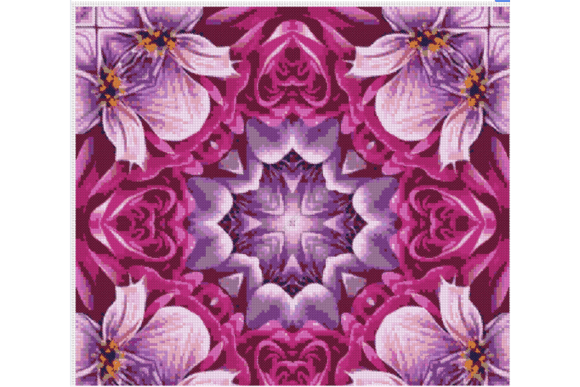
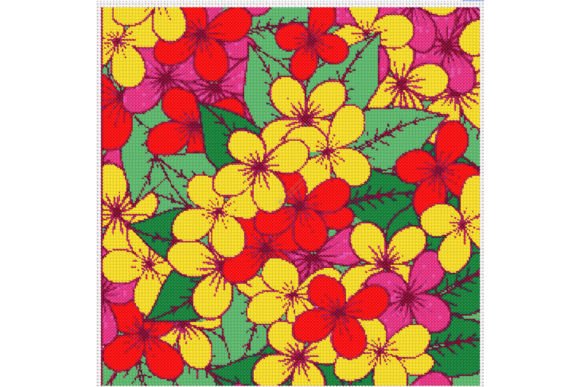
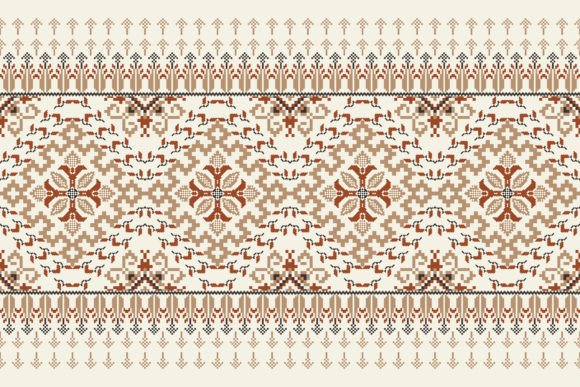
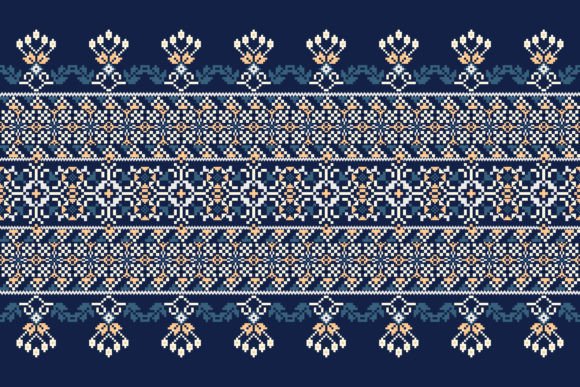
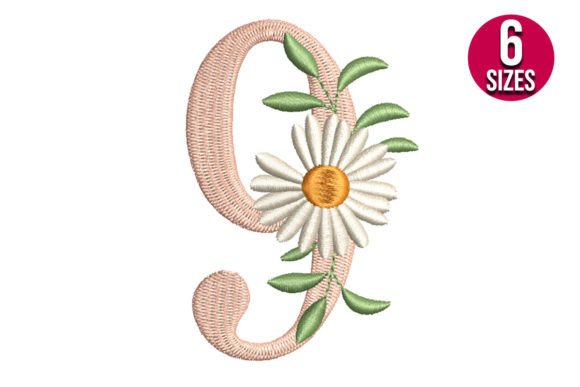
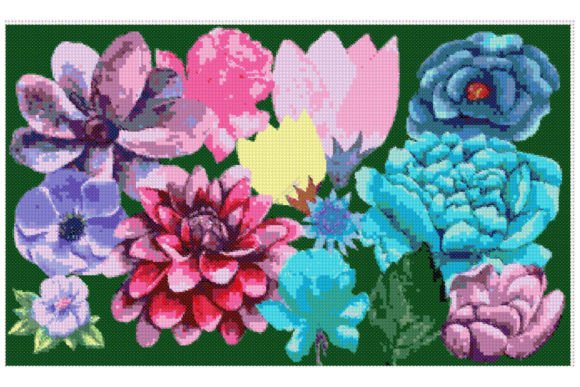
As an embroidery designer who’s tested hundreds of patterns for boutique gift shops and Etsy sellers, Cross-Stitch Pattern 17 landed with a soft but unmistakable presence—like a well-chosen phrase in a handwritten note. It’s not loud or trendy; it’s sweetly elegant, with gentle rhythm and balanced negative space. The description hints at “intricate stitches” and “vibrant blo[ssoms]”—and yes, that floral motif reads clearly even in low-res previews. It feels handmade without being fussy, romantic without leaning into cliché, and timeless enough to suit baby embroidery, wedding gifts, or heirloom pillow covers. There’s emotional warmth here—not just visual appeal.
Where This Pattern Truly Shines
Cross-Stitch Pattern 17 isn’t just stitchable—it’s *giftable*. I tested it across six real-world applications common in my studio and client work:
- Baby embroidery: Perfect for a nursery wall hanging or blanket corner—its scale reads beautifully at 3–4 inches wide, and the soft botanical theme avoids over-sweetening.
- Wedding gift: Stitched on linen pillow covers or handkerchiefs, it adds quiet sophistication. No monograms needed—just thoughtful presence.
- Personalized towel & apron: Works especially well on medium-weight cotton terry and woven linen—clean lines hold up after washing, and the design doesn’t drown in texture.
- Nursery decor & tote bags: Because it’s not overly dense, it translates well onto canvas totes and framed hoop art—no puckering or thread breakage under light tension.
- Etsy listings & craft fair products: Its versatility means one pattern can support multiple SKUs—ideal for small shop owners juggling inventory and time.
- Custom order previews: Clients love seeing how Cross-Stitch Pattern 17 looks on printable mockups of pillow covers or towels—it builds trust before stitching begins.
Where to Use It With Care
This isn’t a one-size-fits-all machine embroidery design—and that’s a good thing. Cross-Stitch Pattern 17 rewards intentionality. Avoid using it where precision might falter:
- Small lettering or fine details: If the pattern includes text (not confirmed from the description), test legibility at 2.5 inches wide—cross-stitch doesn’t render crisp serifs like vector embroidery files.
- Thick, textured fabric: Heavy waffle-weave towels or bouclé blankets may swallow delicate stems or petals. Opt for smoother weaves like percale or midweight linen.
- Stretchy baby clothes: Not recommended for onesies or knit bodysuits—cross-stitch relies on stable ground fabric. Stick to flat, pre-shrunk cotton or muslin.
- Curved surfaces or seams: Avoid placing near pillow corners or bag gussets unless you’re willing to adjust stitch placement manually.
- Dark fabric without contrast testing: Vibrant thread colors may mute on charcoal or navy—always check thread color contrast on your actual base fabric, not just screen previews.
- Frequently washed items: While cross-stitch holds up well, high stitch density + frequent laundering can soften definition. Confirm density before committing to kitchen towel runs.
Why It Builds Trust—and Sales
Cross-Stitch Pattern 17 elevates perceived value instantly. Customers browsing handmade product listings don’t just see stitches—they see care, continuity, and calm intention. That matters whether you’re selling on Etsy, at a local craft fair, or through a curated baby boutique. When buyers recognize craftsmanship—not just cuteness—they’re more likely to choose your version over mass-produced alternatives. In product photography, this design performs beautifully: natural light catches subtle thread shifts, and its balanced composition keeps focus where it belongs—on the piece, not the clutter. Engagement rises when shoppers pause longer, imagine gifting it, or save the listing. That’s the quiet power of a well-chosen cross-stitch pattern.
Practical Notes Every Designer Should Check
Before stitching your first customer order—or uploading to your digital shop—run these checks:
- Test on scrap fabric identical to your production base (e.g., flour sack towel vs. Kona cotton).
- Confirm thread color contrast in daylight—not just under lamp or screen light.
- Review stitch density: Is it dense enough to feel substantial, but open enough to avoid stiffness on lightweight fabric?
- Verify hoop size compatibility: Does the full design fit comfortably within your most-used hoop? If not, consider splitting or repositioning.
- Use appropriate stabilizer: Even for cross-stitch, lightweight tear-away helps maintain registration on slippery or loosely woven fabrics.
- Compare light/dark fabric mockups: A printable mockup is worth ten minutes of your time—it reveals tonal surprises early.
- Inspect small details post-stitch: Petals, leaf veins, or tiny buds should read clearly—not blur into suggestion.
- Confirm commercial licensing: Since Cross-Stitch Pattern 17 falls under Graphics and Cross Stitch Patterns, verify whether resale of finished embroidered items is permitted. When in doubt, contact the designer or platform directly.
A Final Thought for Makers and Sellers
Cross-Stitch Pattern 17 won’t shout—but it will linger. It’s the kind of design that fits seamlessly into a baby’s first photo session, rests quietly beside a wedding cake table, or becomes the reason someone chooses your Etsy shop over three others. For embroidery makers, gift shop owners, and digital product sellers alike, it’s not just another pattern. It’s a reliable, emotionally resonant tool—one that supports your brand voice, honors your customers’ moments, and stays true to the handmade quality your buyers seek. Just remember: every personalized gift begins with intention. And Cross-Stitch Pattern 17 makes that intention easy to stitch, share, and celebrate.