Daisy Flower: A Quietly Confident Embroidery Design
First Impressions — Not Fussy, Just Thoughtful
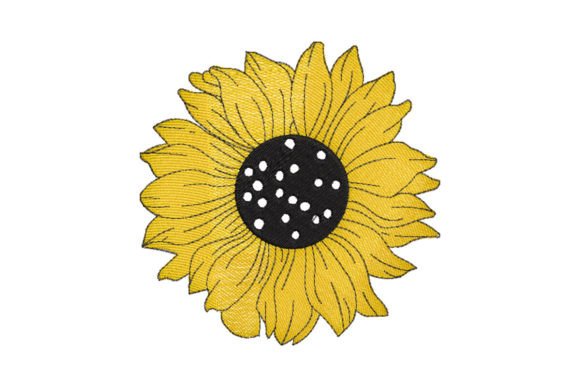
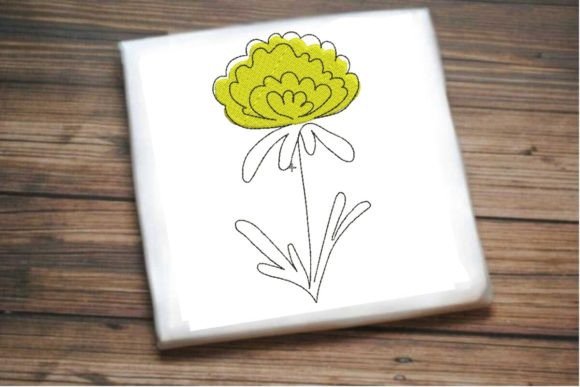
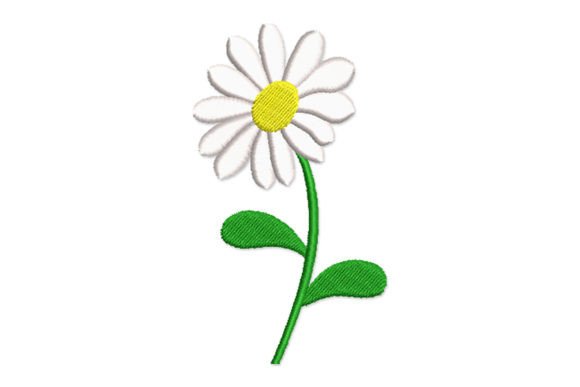
When Daisy Flower loads into my embroidery software, what stands out isn’t flashiness—it’s balance. The outline is clean but not rigid; the petals have gentle tapering and subtle asymmetry that reads as hand-drawn, not algorithmic. There’s no heavy satin border or over-engineered center—just a soft, open daisy with breathing room between elements. It feels like something you’d sketch in a notebook before stitching, not something built for maximum stitch count. That makes it unusually versatile: equally at home on a linen tea towel for a boutique kitchen line or as a delicate accent on a newborn onesie.
Real-World Use: That Tote Bag Moment
Last week, I tested Daisy Flower on a medium-weight canvas tote for a local florist’s seasonal gift set. No applique, no background fill—just the design alone, centered on the front pocket. The result? Instant warmth without clutter. Customers noticed it immediately—not because it shouted, but because it *settled*. It didn’t compete with the fabric’s natural texture; it complemented it. That’s rare in single-flower designs, which often tip into either “too sparse” (losing presence) or “too dense” (looking stiff on casual items). Daisy Flower lands right in the middle: present enough to read at arm’s length, quiet enough to feel handmade, not mass-produced.
Where It Shines (and Why)
- Custom apparel: On cotton sweatshirts and relaxed-fit tees, Daisy Flower holds its shape without puckering—even at 3.5" wide. Its moderate stitch density lets the fabric breathe, so the finished product doesn’t feel stiff or plasticky.
- Baby embroidery: Used on a gauzy muslin swaddle, it read clearly without overwhelming the lightweight fabric. No tiny interior details that vanish when stitched small—just honest, legible form.
- Embroidered patch: When stitched onto twill and heat-applied to denim jackets, the petal edges stayed crisp. The center isn’t overloaded with fill stitch, so it doesn’t bulge or crack after repeated wear.
- Holiday and wedding gifts: Paired with neutral thread (ecru on oatmeal linen, pale grey on ivory cotton), it reads as intentional, not generic—ideal for heirloom-style kitchen towels or guestbook covers.
- Etsy seller & small shop product: As a digital embroidery file, it converts beautifully into printable mockups. The clean silhouette scales well across listing thumbnails, social posts, and packaging labels—no visual noise to distract from your brand voice.
Where to Pause (Not Avoid—Just Adjust)
Daisy Flower isn’t magic—it’s thoughtful design, and thoughtful design asks for thoughtful execution. Here’s where attention matters:
- Small hoop sizes: Below 3", the outer petals begin to compress. If you’re stitching for baby caps or narrow wristbands, test first—and consider simplifying the outermost petal layer manually or choosing a smaller variant if available.
- Textured or stretchy fabrics: On terry cloth towels or ribbed knit onesies, use a light cutaway stabilizer underneath and a tear-away on top. The design’s openness means loose threads can snag on loops if stabilization is skipped.
- Dark fabric: The center detail relies on contrast. On navy or charcoal, avoid matching thread—opt instead for a soft cream or warm taupe to keep definition. A black-on-black version would lose its quiet elegance.
- Curved surfaces (like caps): The flat, centered layout works best on front panels—not curved crowns. For structured headwear, rotate and resize slightly to follow the curve, or pair it with a companion leaf motif to anchor the composition.
- Frequent-wash items: While the stitch density is moderate, always check thread tension and knot security on the back. A single running stitch outline around the outer edge (if editing the file) adds durability for kitchen towels or kids’ clothing.
What It Does for Your Work—Beyond the Stitch
Daisy Flower quietly lifts the perceived value of your finished product. It doesn’t scream “handmade”—it *feels* handmade. That distinction matters to customers browsing Etsy or craft fairs. They’re not buying a flower; they’re buying intention, care, and quiet confidence. For a craft business owner, that translates to stronger repeat sales and word-of-mouth trust. For an apparel decorator, it offers a go-to botanical that doesn’t date quickly—unlike trend-driven motifs that feel outdated by next season.
It also supports brand consistency. Because it’s a single-flower design with strong silhouette recognition, it works as a standalone logo element, a repeating border, or a subtle corner accent—no redesign needed. And for digital product sellers, it’s a reliable anchor piece: easy to bundle with coordinating stems or leaves, simple to recolor for seasonal listings, and clear enough to preview accurately in low-res mockups.
Practical Designer Notes Before You Stitch
- Always run a test on scrap fabric matching your final project’s weight and weave—especially for baby items or apparel.
- Check thread color contrast on both light and dark backgrounds. Daisy Flower’s charm lives in its subtlety—not its saturation.
- Review stitch density in your software. If it feels heavier than expected, look for optional layers (e.g., a lighter fill stitch version) or adjust underlay settings.
- Confirm hoop size compatibility—this design likely fits standard 4x4 hoops, but verify before hooping expensive fabric.
- Inspect small details at 200% zoom: petal tips, center grain, and any fine running-stitch accents. If those vanish when stitched, simplify or omit them.
- Test in black-and-white mockups. If it loses shape or hierarchy without color, reconsider thread choices or layout placement.
- Use appropriate stabilizer—lightweight cutaway for knits, tear-away for stable wovens, and fusible for delicate linens.
- Before selling finished items or reselling the embroidery file, confirm licensing terms. This is a machine embroidery design intended for personal and commercial embroidery projects—but always double-check scope, especially for digital resale.