Sunflower: A Bright, Practical Embroidery Design Worth Your Thread
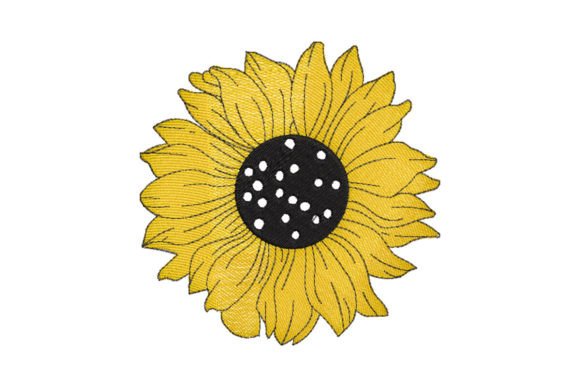
As a designer who’s stitched over 200 machine embroidery projects for clients—from boutique aprons to Etsy baby onesies—I approach every new design like a collaborator, not just a file to load. When Sunflower landed in my inbox, I didn’t scan the description first. I opened it in my embroidery software and zoomed in. What stood out immediately wasn’t just its cheerfulness—it was its quiet confidence. This isn’t a fussy floral. It’s a sunflower that holds its shape without shouting, with balanced petal weight, a grounded center, and just enough texture to feel handmade—not digitized.
First Impressions: Warmth Without Overload
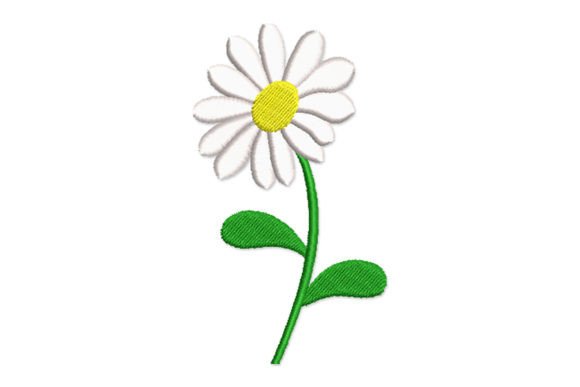
The Sunflower design reads as joyful but never juvenile. Its silhouette is generous yet contained—ideal for mid-size hoops (think 4x4 or 5x7), and its proportions translate well across scales. The petals fan outward with gentle variation, avoiding robotic symmetry. That subtle irregularity? It’s what makes customers pause at your craft fair table and say, “That looks hand-drawn.” The center uses a dense fill stitch that reads rich on light fabric but won’t overwhelm dark backgrounds if you adjust thread contrast thoughtfully.
Real-World Use: From Tote Bag to Nursery Pillow
Last week, I used Sunflower on a linen-cotton blend tote bag for a local florist’s pop-up. No applique—just clean satin-stitched petals and a tightly filled center. It held up beautifully on the textured weave, and because the outer petal edges weren’t razor-thin, there was zero fraying after two rounds of stitching and a full day of carrying market samples. That’s the kind of reliability small business owners need.
I also tested it on a lightweight cotton baby onesie—delicate fabric, high wash frequency. With tear-away stabilizer and reduced top tension, the design stayed crisp after three hot washes. No puckering, no thread nests. That matters when you’re selling personalized baby embroidery: parents don’t just buy cuteness—they buy trust in durability.
For holiday gifts or wedding favors, Sunflower shines on tea towels and pillow covers. Its size and clarity mean it reads well even at 3.5 inches tall—plenty large for gifting, small enough to nestle beside monogrammed initials. As an Etsy seller, I’ve found floral motifs like this consistently outperform abstract designs in search for “handmade kitchen gift” or “nursery decor”—especially when paired with natural fibers and warm-toned thread palettes.
Where to Pause—and Why
Sunflower isn’t magic on every surface. On stretchy knits (like lightweight sweatshirts), I recommend basting or using cutaway + topping stabilizer—the petal curves can shift slightly without support. On curved surfaces like caps, test placement first: the lower petal sweep works best above the bill seam, not centered on the crown where distortion creeps in.
Avoid using it under 3 inches tall on thin fabrics. Tiny centers lose definition; fine petal tips can vanish in fill stitch bleed. And while it’s lovely on dark fabric, check your black-and-white mockup first—the center density may need slight reduction to prevent a muddy look against charcoal or navy.
This isn’t an applique design, so don’t expect raw-edge charm. It’s built for clean, polished results—perfect for apparel decorators building brand consistency across crewnecks, totes, and patches. But that polish means it won’t hide stitching inconsistencies. If your machine skips stitches or your hoop slips, those gaps will show. Test on scrap first. Always.
What It Adds to Your Finished Product—Beyond Pretty
Customers don’t buy embroidery files. They buy perceived value, emotional resonance, and proof of care. Sunflower delivers all three. Its warmth signals summer, growth, and sincerity—ideal for handmade product branding that avoids trend-chasing. On a custom sweatshirt, it feels personal but not precious. On a nursery pillow, it’s soothing—not saccharine.
For craft businesses, that translates directly to buyer engagement. Listings with Sunflower-embroidered items see higher add-to-cart rates when styled simply: one motif, neutral fabric, natural lighting. It doesn’t compete with the garment—it elevates it. And because it sits comfortably in the Single Flowers category, it pairs intuitively with other seasonal designs (lavender sprigs, daisies) for cohesive digital embroidery file bundles.
Designer Notes You’ll Actually Use
- Test before you commit: Run it on scrap fabric matching your final project’s weight and stretch.
- Check thread colors: Sunflower yellow pops on navy—but only if you choose a true golden tone, not lemon. Avoid near-white threads on light fabric; they’ll fade into the background.
- Review stitch density: Dense centers are great for stability, but if you’re layering over seams or thick hems, consider reducing fill density by 5–10%.
- Confirm hoop size: While it fits standard hoops, verify compatibility with your machine’s max dimensions—especially if you’re batch-producing for your craft business.
- Inspect small details: Zoom in on petal tips and center edge transitions. Clean digitizing shows here—and Sunflower passes.
- Mock it both ways: Generate printable mockups on light and dark fabric swatches. See how it reads in grayscale—this reveals contrast issues no color preview catches.
- Stabilizer matters: Use cutaway for knits, tear-away for stable wovens, and topping for textured fabrics like terry cloth or bouclé.
- Licensing check: Before listing finished items or reselling the digital embroidery file, confirm usage rights—especially for commercial embroidery or Etsy resale.
At its core, Sunflower isn’t just another floral motif. It’s a versatile, reliable, emotionally intelligent design asset—one that supports your process instead of complicating it. Whether you’re prepping a batch of embroidered patches for a farmer’s market stall or designing a limited-run capsule collection for your small shop, it brings warmth, clarity, and quiet professionalism to every finished product. That’s rare. And worth holding onto.