Flowers Bouquet: Whimsical Charm for Craft Fair Stands
First Impression: Playful, Approachable, and Instantly Recognizable
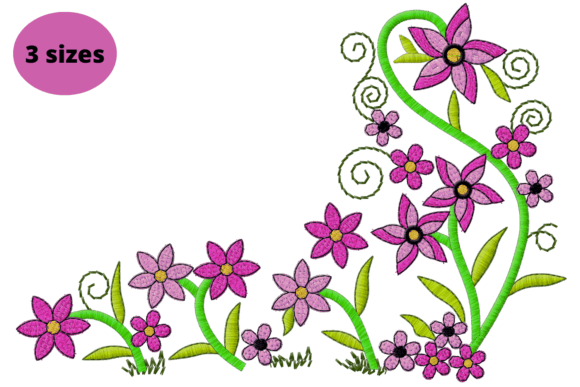
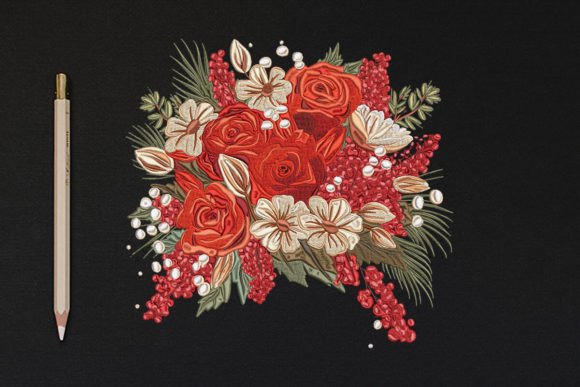
When I saw Flowers Bouquet in my design queue, my instinct was immediate: this is a craft fair magnet. It doesn’t scream “vintage farmhouse” or “luxury monogram”—it leans into joyful, lighthearted charm. The title alone evokes soft petals, loose stems, and effortless movement—not stiff symmetry or botanical precision. That’s exactly what handmade shoppers respond to at markets: personality over perfection. As an embroidery designer who’s curated booth displays for 12+ years, I know Flowers Bouquet lands as friendly, modern, and gently decorative—ideal for customers browsing for small gifts, kitchen upgrades, or personal accessories.
Where It Shines: Real-World Craft Fair Product Pairings
This machine embroidery design thrives where whimsy meets utility. On a natural canvas tote bag? Perfect—centered just below the handle seam, it reads clearly from three feet away and adds handmade warmth without overwhelming the fabric. On a linen apron? It anchors the chest pocket area beautifully, giving structure to an otherwise minimalist silhouette. For tea towel embroidery, Flowers Bouquet works best in the lower corner or along the hem—its organic flow complements the absorbent texture of terry or cotton waffle weave without fighting the grain.
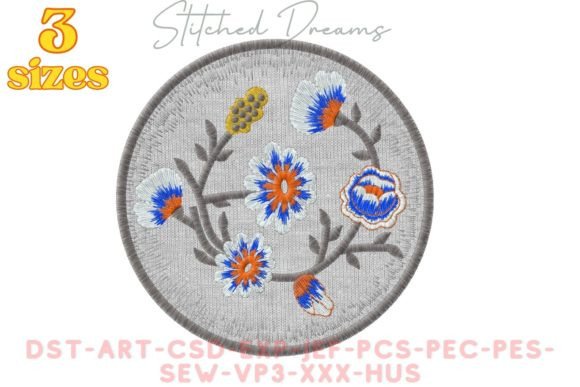
As an embroidered patch, it holds up remarkably well—especially when fused to denim jackets or canvas pouches. Its open composition avoids dense stitch clusters, so it lays flat and wears comfortably. On pillow covers and small market bags, it scales elegantly: large enough to read as intentional art, small enough to leave breathing room. And for Etsy sellers? This design is gold for printable mockups—its balanced shape and clear floral rhythm translate cleanly across lifestyle photos, flat lays, and video thumbnails.
What Holds It Back (and How to Fix It)
Let’s be real: not every surface welcomes Flowers Bouquet equally. On curved cap fronts, the looser petal shapes can distort if hooping isn’t precise—always test on scrap twill first. Dark fabrics demand careful thread color selection; pale pinks or yellows may vanish without high-contrast backing or tone-on-tone metallics. And on heavily textured towels? Avoid placing it over thick loops—opt instead for smoother sections near hems or borders.
Tiny details matter here. If the design includes fine stem lines or delicate leaf veins, those elements risk filling in on dense weaves or with low-stitch-density settings. Always inspect the original digital embroidery file for micro-details before cutting production runs. If your version has tight clusters near flower centers, consider lightening stitch density manually—or skip those areas entirely on heavy fabrics like duck canvas or quilted pouch linings.
Production Practicality: Batch-Friendly, Booth-Ready, and Brand-Safe
Flowers Bouquet is inherently batch-friendly. Its moderate complexity means consistent results across 20–50 units—no constant rehooping or tension tweaks. That’s critical when you’re stitching 30 tea towels between Friday night prep and Saturday morning setup. It also photographs exceptionally well: clean outlines, balanced negative space, and inherent visual rhythm make it stand out in crowded Etsy listings and Instagram grids.
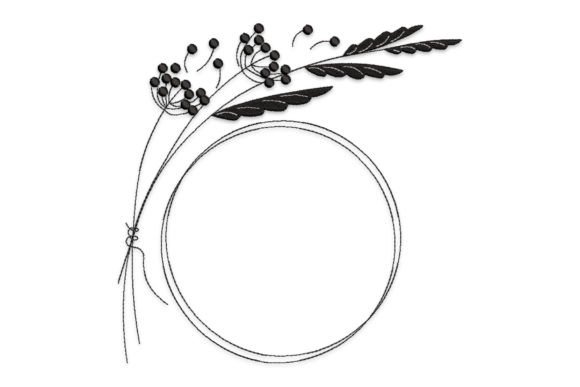
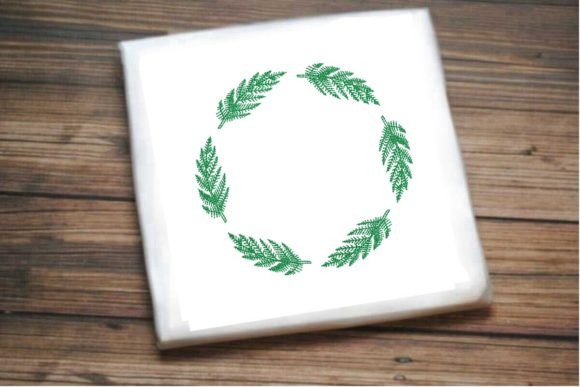
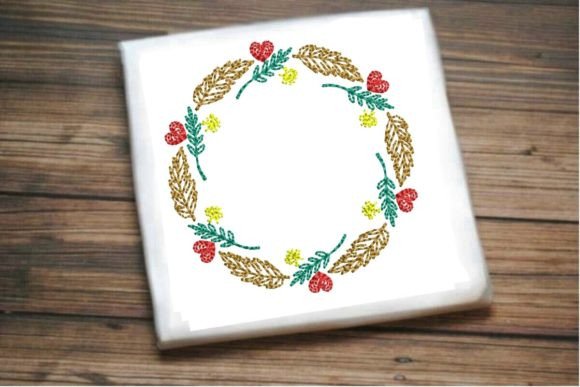
For boutique makers building cohesive collections, this design supports brand consistency without locking you into one aesthetic. Pair it with neutral linens for a Scandinavian vibe, or with mustard-and-terracotta thread palettes for earthy warmth. It fits neatly within the Floral Wreaths category—but stands apart by avoiding rigid circular framing, giving it more flexibility than traditional wreath motifs.
Design Assets That Elevate Your Small Shop Product
- Test the design on scrap fabric—especially your exact tote bag canvas or tea towel blend—to confirm drape and stitch definition.
- Check thread contrast against both light and dark base fabrics before ordering bulk spools.
- Review spacing and proportions in your embroidery software—does the bouquet feel grounded or floating? Adjust placement to suit each product’s visual weight.
- Confirm hoop size compatibility—if it requires a 5x7" hoop but you only stock 4x4", that changes your production workflow.
- Inspect stitch density—high-density fills trap moisture on towels; lighter satin stitches breathe better.
- Use the right stabilizer: cutaway for knits, tear-away for stable wovens, and ultra-lightweight for sheer overlays.
- Create at least one real mockup—a finished embroidered tea towel or pouch tells you more than any screen preview.
- Compare fabric colors side-by-side—what looks vibrant on screen may mute on oat linen or charcoal cotton.
- Confirm commercial licensing before selling finished products—this is non-negotiable for Etsy sellers and wholesale partners.
Why Flowers Bouquet Wins at the Market
In a sea of geometric prints and trendy fonts, Flowers Bouquet offers emotional resonance. It says “handmade with care,” not “mass-produced.” Customers pause longer at booths where embroidery feels intentional—not just applied, but integrated. On an apron, it suggests culinary joy. On a pouch, it whispers “thoughtful gift.” On a pillow cover, it invites comfort. That emotional hook directly boosts buyer engagement, repeat visits, and word-of-mouth referrals.
It also strengthens your booth display: group three items—tote, tea towel, and pouch—with matching thread tones, and suddenly you’ve built a mini-collection that reads as professional, curated, and scalable. No need for signage shouting “handmade!”—the quality of the embroidery file execution does the talking.
Bottom line? Flowers Bouquet isn’t just another floral motif. It’s a versatile, emotionally intelligent craft fair product that performs across categories, scales reliably, and deepens perceived value—all while staying true to the handmade spirit your customers seek. Just remember: respect the fabric, honor the thread, and always stitch with intention.