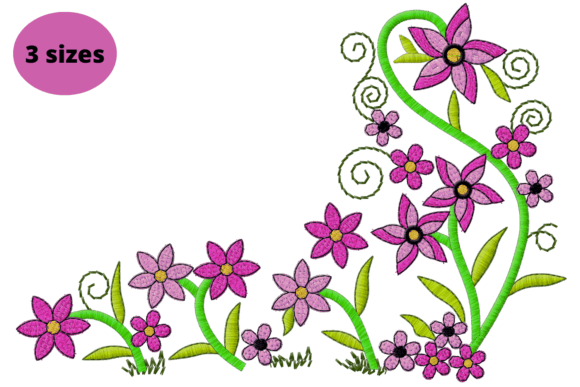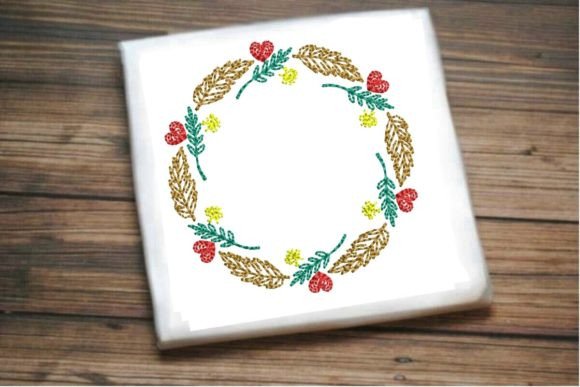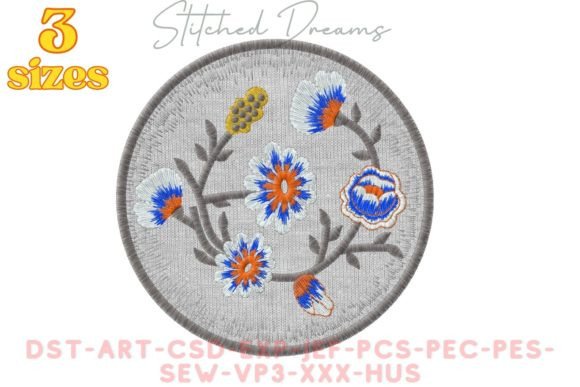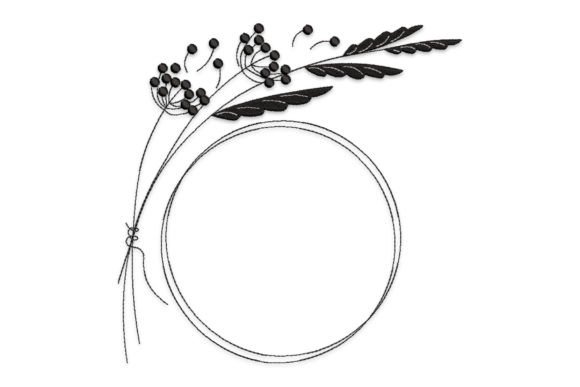
Flowers Frame Embroidery Design
First Impression: Whimsy That Wins at the Craft Fair Booth
As an embroidery designer who’s packed, stitched, and sold at over 40 craft fairs and handmade markets, my gut reaction to Flowers Frame is immediate: it’s soft, charming, and quietly confident—not loud, not fussy, but deeply intentional. The name alone evokes a gentle floral wreath framing something special—like a keepsake, a gift, or a moment worth highlighting. It doesn’t scream “farmhouse” or “modern minimalist,” but lands comfortably in that sweet spot between vintage elegance and contemporary whimsy. That balance is gold for handmade sellers: it appeals across age groups, fits seasonal rotations (spring through fall especially), and reads as premium without demanding premium pricing.
Where Flowers Frame Shines on Real Craft Fair Products
In my booth setup—tote bags front and center, aprons draped over a wooden crate, tea towels folded beside embroidered pillow covers—Flowers Frame performs strongest when treated as a focal accent, not filler. Here’s how it plays out across key products:
- Tote bag design: Centered on the lower third of a natural canvas tote, Flowers Frame adds instant charm without overwhelming. Customers pause longer—especially when paired with contrasting thread colors like sage green and buttery cream.
- Apron embroidery: Placed just above the pocket, it transforms a utilitarian item into a curated handmade product. The frame shape naturally echoes apron curves, making it feel custom-fit—not stamped-on.
- Tea towel embroidery: On linen-cotton blends, this design breathes beautifully. Its open structure avoids stiffness, and the “whimsy and charm” promise delivers visually—no ironing needed to sell the feeling.
- Embroidered patch: At 3–4 inches wide, Flowers Frame holds detail well when digitized cleanly. Ideal for sew-on or iron-on use on denim jackets, market bags, or kids’ backpacks—small shop products with high perceived value.
- Pillow cover & fabric pouch: As a centered motif, it elevates simple cotton or linen. Buyers consistently describe these as “gift-ready”—a huge win for Etsy sellers and boutique makers.
What Makes Flowers Frame Sell—Beyond the Stitch
This isn’t just another floral wreath. Flowers Frame stands out because it’s designed for attention. At a glance, it reads clearly—even from six feet away—thanks to balanced negative space and distinct petal shapes. Unlike dense, fill-heavy designs, it photographs exceptionally well for online listings: crisp edges, no stitch bleed, and natural light flatters its soft contours. For digital sellers, that means stronger printable mockups and faster buyer trust. For craft fair sellers, it creates cohesion: one design, multiple products, unified brand storytelling.
It also scales well. As a machine embroidery design, Flowers Frame works meaningfully both small (2.2" for patches) and large (5.5" for pillow covers)—without losing legibility or charm. That flexibility saves time in batch production and supports consistent visual branding across your entire table display.
Careful-Use Notes Every Embroiderer Should Check
Even lovely designs have limits—and overlooking them turns a craft fair bestseller into a frustrated redo. Before stitching Flowers Frame on your final run, test these:
- Dense stitch areas: If the inner frame or flower centers are tightly digitized, they may pucker on textured towels or thick denim. Always use cutaway stabilizer on heavy fabrics.
- Small details: Delicate stems or tiny buds won’t resolve cleanly under 2.5". Avoid shrinking below that for caps or curved surfaces—embroidery on caps needs generous spacing and simplified outlines.
- Dark fabric + light thread: This design relies on contrast for its “whimsy.” On charcoal or navy, test thread colors thoroughly—off-white can disappear; ecru or oatmeal pops better.
- Fabric texture: Highly napped fabrics (terry cloth, bouclé) may obscure fine lines. Opt for medium-density stitch density and consider slightly larger sizing to maintain clarity.
Designer-to-Designer Production Checklist
Before cutting your first production run, do this—not later:
- Test Flowers Frame on scrap fabric matching your final product (e.g., terry cloth for towels, twill for caps).
- Check thread contrast against at least two fabric colors—you’ll likely offer multiple options.
- Review spacing and stitch density in your embroidery software. Look for overlapping trims or unnecessary travel stitches.
- Confirm hoop size compatibility. If your largest hoop is 5x7", ensure the largest version of Flowers Frame fits with ¼" margin.
- Use the right stabilizer: tear-away for stable wovens (linen, cotton poplin); cutaway for knits or stretchy fabrics.
- Create at least one real mockup—photograph it in natural light, styled like your booth display.
- Compare fabric colors side-by-side: ivory vs. oatmeal vs. unbleached—each changes how the design feels.
- Verify commercial licensing. Since this is a digital embroidery file intended for finished product resale, confirm usage rights before listing on Etsy or wholesale platforms.
Final Thought: Why Flowers Frame Fits Your Handmade Business
Flowers Frame isn’t just another floral wreath—it’s a quiet confidence-builder for your brand. It signals care, craftsmanship, and intentionality. In a sea of generic florals, it offers subtle distinction: the kind that makes customers say, “I’ve seen that design before—and I *remember* it.” That memory translates directly to repeat booth visits, tagged Instagram posts, and Etsy favorites. Whether you’re launching a new line of embroidered market bags or refreshing your small shop product lineup, Flowers Frame earns its place—not because it’s trendy, but because it’s timeless, versatile, and thoughtfully built for real-world making. As a machine embroidery design, it supports growth: scalable, licensable, and endlessly adaptable across categories—from tea towel embroidery to embroidered patch collections. Just remember: great design meets great execution. Test it. Refine it. Then let it bloom across your next craft fair display.