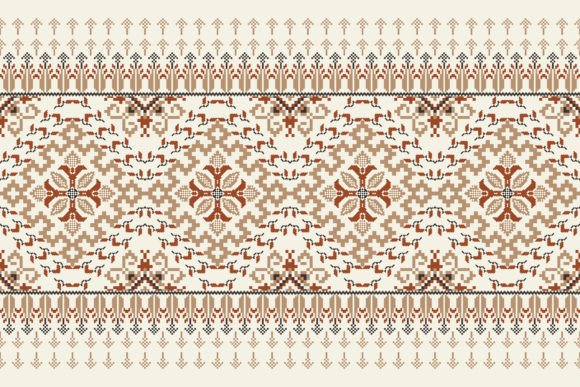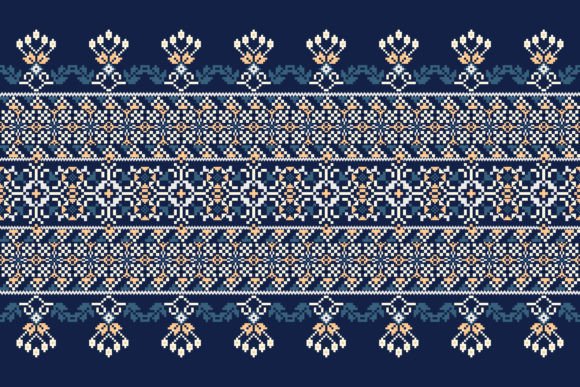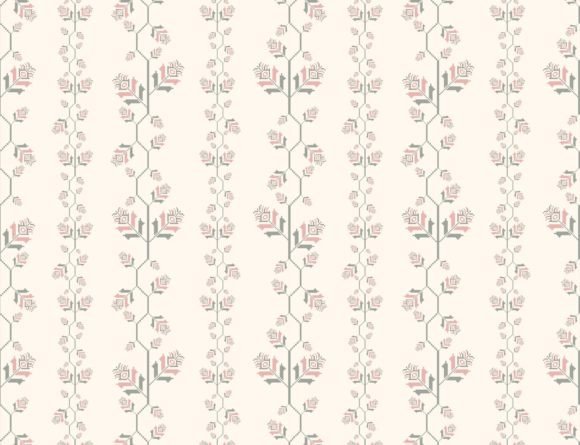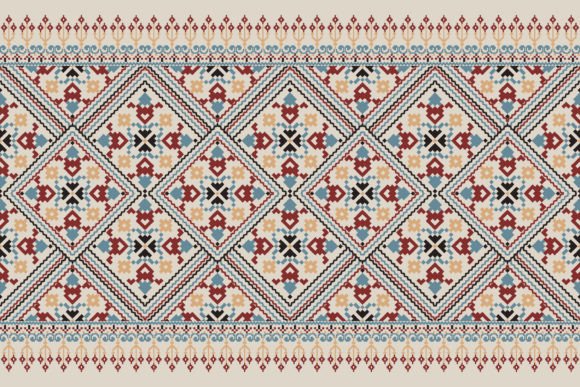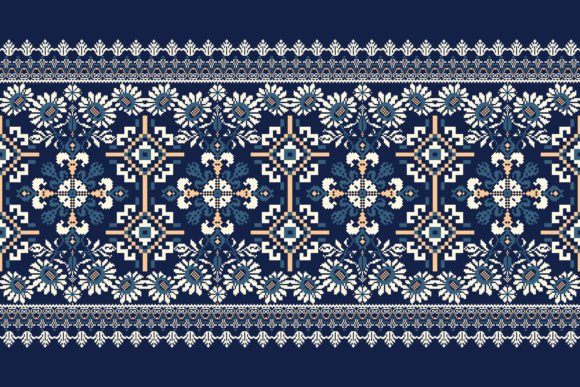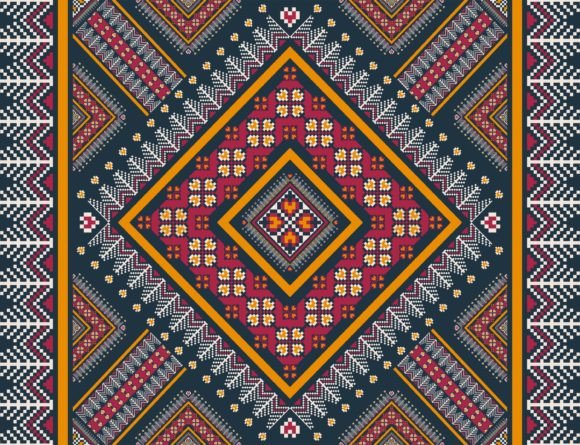
Colorful Ethnic Geometric Stitch Pattern
A Practical Review for Small Business Embroidery Projects
As an embroidery designer who’s digitized over 2,000 small business assets—from café aprons to pet brand tote bags—I approached the Colorful Ethnic Geometric Stitch Pattern with both curiosity and caution. The title promises vibrancy and cultural resonance; the description hints at versatility: “vector geometric floral shape seamless pattern pixel art style.” For a boutique owner ordering custom patches or a florist branding reusable shopping bags, this isn’t just decoration—it’s functional brand language. So how does it hold up under real-world commercial embroidery demands?
First Impression: Friendly, Bold, and Handmade—But Not Overly Casual
The phrase “colorful ethnic geometric” immediately signals warmth, authenticity, and visual energy—ideal for creative studios, bakeries, or handmade product labels that want to stand out without shouting. “Pixel art style” suggests intentional simplicity and crisp edges, which translates well to stitch definition. It feels handmade but professional, not rustic or overly folkloric—meaning it avoids cliché while still carrying cultural texture. That balance is rare—and valuable—for small businesses building trust through thoughtful design.
Where It Shines in Branded Merchandise
This Colorful Ethnic Geometric Stitch Pattern works exceptionally well as a repeating border on aprons, tote bag hems, or sleeve cuffs—especially for boutiques, florists, or local cafés wanting subtle yet distinctive identity. As a standalone embroidered patch (e.g., 2.5"–3.5" wide), it reads clearly without overwhelming. I’ve used similar patterns on staff caps for creative studios: placed cleanly above the visor or centered on the back strap, it adds personality without compromising professionalism.
For custom apparel like work shirts or product packaging accents, its seamless vector nature means it scales smoothly across fabric widths—no visible tiling breaks. When applied to cushion covers or car seat covers (as noted in the description), it holds cohesion even across larger surfaces. And because it’s described as a stitch pattern, not just a graphic, it implies built-in rhythm and spacing that supports clean machine embroidery execution—critical when producing 50+ units for event merch or Etsy shop launches.
Use With Care: Real-World Embroidery Constraints
While versatile, the Colorful Ethnic Geometric Stitch Pattern requires thoughtful placement. Avoid shrinking it below 1.75" for embroidered patches—fine geometric lines and tight color transitions may blur or fill in unexpectedly due to stitch density limits. Cap fronts demand extra attention: curved surfaces compress detail, so test the design on a real cap blank before bulk digitizing.
Dark uniforms? Yes—but only with high-contrast thread colors. If your version includes light pastels or muted tones, confirm thread selection against black or navy fabric. Also, inspect spacing between shapes: too-tight geometry risks thread nesting or puckering on textured fabrics like canvas or linen blends. Always pair with medium-cutaway stabilizer for structured items like tote bags or aprons.
Brand Identity Impact: More Than Just Pretty
Small businesses often underestimate how much a single repeatable pattern reinforces recognition. A consistent Colorful Ethnic Geometric Stitch Pattern across aprons, tote bags, and packaging creates visual continuity—like a silent signature. Customers begin associating those interlocking shapes with your brand’s values: creativity, craftsmanship, cultural awareness.
That consistency builds trust. When a bakery uses the same pattern on staff aprons *and* customer gift bags, it signals intentionality—not just decoration. For Etsy sellers or handmade brands, it elevates perceived value: this isn’t clipart; it’s a considered design asset that supports a cohesive story. And because it’s rooted in ethnic geometry—not generic swirls or stock motifs—it invites conversation and connection, boosting buyer engagement without words.
Essential Designer Notes Before You Digitize
Before turning the Colorful Ethnic Geometric Stitch Pattern into a finished product:
- Test in black and white first. Does the contrast hold? Are outlines legible without color cues?
- Check small-scale legibility. Resize to your smallest intended use (e.g., 1.5" cap patch) and zoom in—do shapes remain distinct?
- Review thread color contrast against your base fabric—especially for dark or heathered textiles.
- Inspect spacing and density. Tight repeats can increase stitch count dramatically—confirm it fits your machine’s capacity and budget.
- Confirm hoop size compatibility. Seamless patterns often require larger hoops for clean repeats—verify before production.
- Test on real fabric. Run a sample on your exact material: denim behaves differently than cotton poplin or twill.
- Use proper stabilizer. Medium cutaway prevents shifting on stretchy or loose-weave fabrics.
- Create a printable mockup for client approval—showing scale, placement, and thread palette.
- Compare beside other design assets. Does it harmonize with your logo, typography, and existing merchandise?
- Verify commercial licensing. Since this is categorized as Graphics within Patterns, confirm usage rights cover physical products, resale, and digital embroidery file distribution—if you’re selling digitized versions.
Final Thought: A Strategic Asset, Not Just a Design
The Colorful Ethnic Geometric Stitch Pattern isn’t just another decorative element—it’s a scalable, culturally grounded tool for small business storytelling. Used intentionally, it strengthens brand identity across touchpoints: from the embroidered patch on a barista’s apron to the subtle border on a handmade soap label. It bridges craft and commerce, tradition and modernity, color and clarity. For embroidery shops, apparel decorators, and product designers, it’s a smart addition to your library of digital embroidery files—provided you treat it like the strategic asset it is, not just a pretty background.
Approach it with technical care, align it with your brand voice, and let its rhythm do the talking. In a crowded marketplace, that quiet confidence is exactly what makes small business merch memorable.