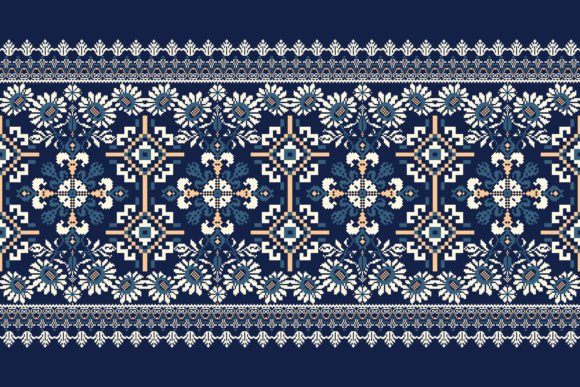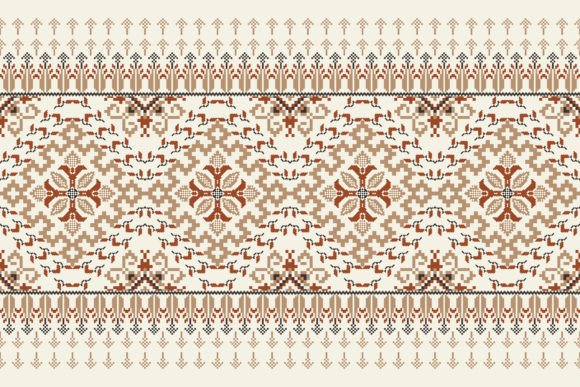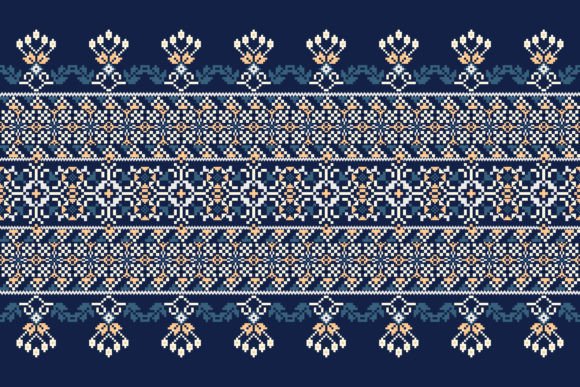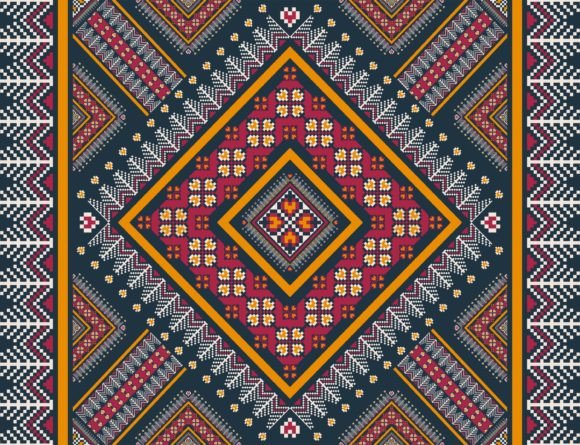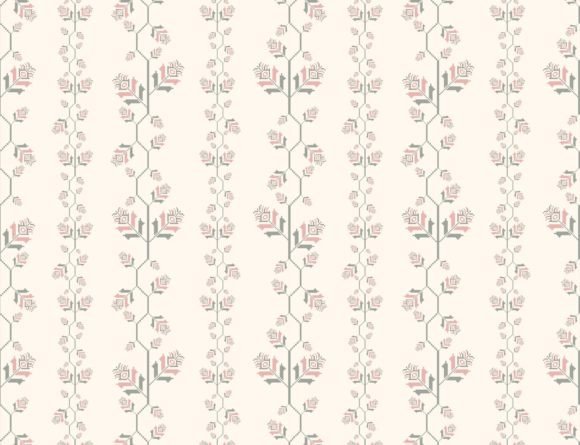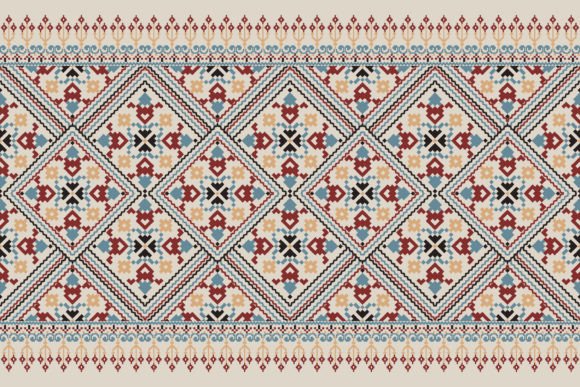
Floral Cross Stitch Texture Fabric
A Seasonal Designer’s First Impression
Opening Floral Cross Stitch Texture Fabric feels like unboxing a quiet moment of handmade warmth—softly nostalgic, gently romantic, and unmistakably seasonal. The floral motif isn’t loud or overly stylized; it breathes with the subtle irregularity of hand-stitched charm, evoking spring picnics, summer garden parties, autumn harvest tables, and even winter’s hushed evergreen accents. It lands somewhere between rustic elegance and modern craft—neither too fussy nor too minimal. That balance makes it unusually versatile across holidays: think Easter linen napkins, Mother’s Day aprons, Thanksgiving table runners, Christmas ornament backings, or Valentine’s Day pillow covers. Its emotional tone is comforting, sincere, and gift-ready—not flashy, but deeply felt.
Real-World Holiday Product Potential
As an embroidery designer building limited-edition seasonal collections, I immediately see Floral Cross Stitch Texture Fabric working across high-demand categories. On sweatshirt embroidery, it softens bold silhouettes with organic texture—ideal for family matching sets sold as holiday bundles. As a tote bag design, it adds artisanal credibility to eco-conscious gifting. For kitchen towel embroidery, its gentle scale reads beautifully at arm’s length without overwhelming utility. As a pillow cover motif or embroidered patch, it layers gracefully into home decor drops—especially when paired with neutral linens or vintage-inspired cottons.
It shines in personalized gift contexts: monogrammed baby onesies (with simplified floral corners), custom aprons for bakers, or stitched ornaments where the cross-stitch texture mimics traditional needlework. On Etsy, this design supports strong visual storytelling—pair it with printable mockups showing the pattern on linen, denim, and canvas to highlight fabric texture variation. Social media previews perform well when shown in natural light, draped over wooden trays or nestled beside dried florals. And because it’s offered as both EPS and JPG (6000 × 4000 px), it scales cleanly for digital product listings, printed promotional graphics, and even small-batch packaging labels.
Where to Use It Thoughtfully
Not every surface or stitch scenario suits Floral Cross Stitch Texture Fabric equally. Its delicate line work and implied texture demand attention to execution. Avoid using it full-scale on tiny hoop sizes (under 4″) — fine stems and petal edges may lose definition. Don’t layer it densely over other complex motifs unless you’ve tested stitch density first; overlapping fills can cause puckering on lightweight fabrics. Thick terry cloth towels require extra stabilizer and possibly reduced fill density to prevent stiffness. On dark fabric, test thread colors carefully—light ecru or oatmeal tones lift the design beautifully, but stark white can flatten its depth.
Steer clear of stretchy garments (like ribbed knits or curved baseball caps) unless you’re using cutaway stabilizer and reducing pull compensation. Metallic thread introduces shine but risks breakage in tight cross-stitch zones—reserve it for outer petals only, not dense centers. And while it’s lovely on baby items, confirm all thread and backing materials meet safety standards before finalizing finished product listings. Repeated washing? Test wash a sample—some cross-stitch textures soften over time, which may enhance or diminish perceived detail depending on your brand voice.
How It Elevates Seasonal Appeal & Buyer Trust
In holiday shopping, emotion drives decisions—and Floral Cross Stitch Texture Fabric taps into quiet authenticity. It signals care, craftsmanship, and intentionality. That builds customer trust faster than generic clipart, especially among Etsy sellers and handmade gift makers whose buyers seek meaning over mass production. Visually, its consistent rhythm and organic flow support brand consistency across product lines—imagine using it as a unifying motif across aprons, tea towels, and gift tags in a “Garden Gatherings” spring collection.
Its recognizability helps too: shoppers begin associating that soft floral texture with your shop’s seasonal drops, boosting repeat engagement. When bundled into gift-ready products—say, a linen pouch + embroidered kitchen towel + printed care card—the design becomes part of a cohesive experience, increasing perceived value. And because it reads well in both digital thumbnails and craft fair displays, it performs reliably across selling channels without needing heavy re-editing.
Practical Embroidery Designer Notes
- Always test thread colors on both light and dark fabric swatches—especially for seasonal palettes like sage + cream (spring), terracotta + ivory (fall), or dusty rose + charcoal (winter).
- Check stitch density before digitizing: if you’re converting this Graphics file into a machine embroidery design, verify fill areas won’t overwhelm lightweight textiles.
- Confirm hoop size compatibility—the 6000 × 4000 px resolution gives flexibility, but actual stitchable area depends on your embroidery software’s scaling and your machine’s max hoop dimensions.
- Use appropriate stabilizer: medium-weight cutaway for knits, tear-away for stable wovens, and water-soluble for sheer overlays.
- Create realistic mockups—not just flat renders, but draped, folded, and in-use shots that show how the floral texture interacts with real fabric texture.
- Review small details post-stitch: petal tips, stem joins, and negative space clarity matter most at retail scale—zoom in on stitched samples before bulk production.
- Plan matching color palettes early: choose 3–4 core thread colors that harmonize across product types (e.g., same sage green on sweatshirts and pillow covers).
- Verify commercial licensing before selling finished seasonal products—this Patterns file includes no stated license terms, so confirm usage rights directly with the creator.
Final Thought: A Quiet Anchor for Your Seasonal Line
Floral Cross Stitch Texture Fabric isn’t a trend-chasing graphic—it’s a quiet anchor. It doesn’t shout. It invites. That makes it exceptionally valuable during crowded holiday seasons when shoppers scroll past noise and pause for sincerity. Whether you’re an apparel decorator launching limited-run holiday tees, an Etsy seller curating handmade gift boxes, or a small shop owner refreshing table linens for Thanksgiving, this design earns its place—not through novelty, but through enduring, adaptable warmth. Use it with intention, test with care, and let its handmade soul speak for your brand.